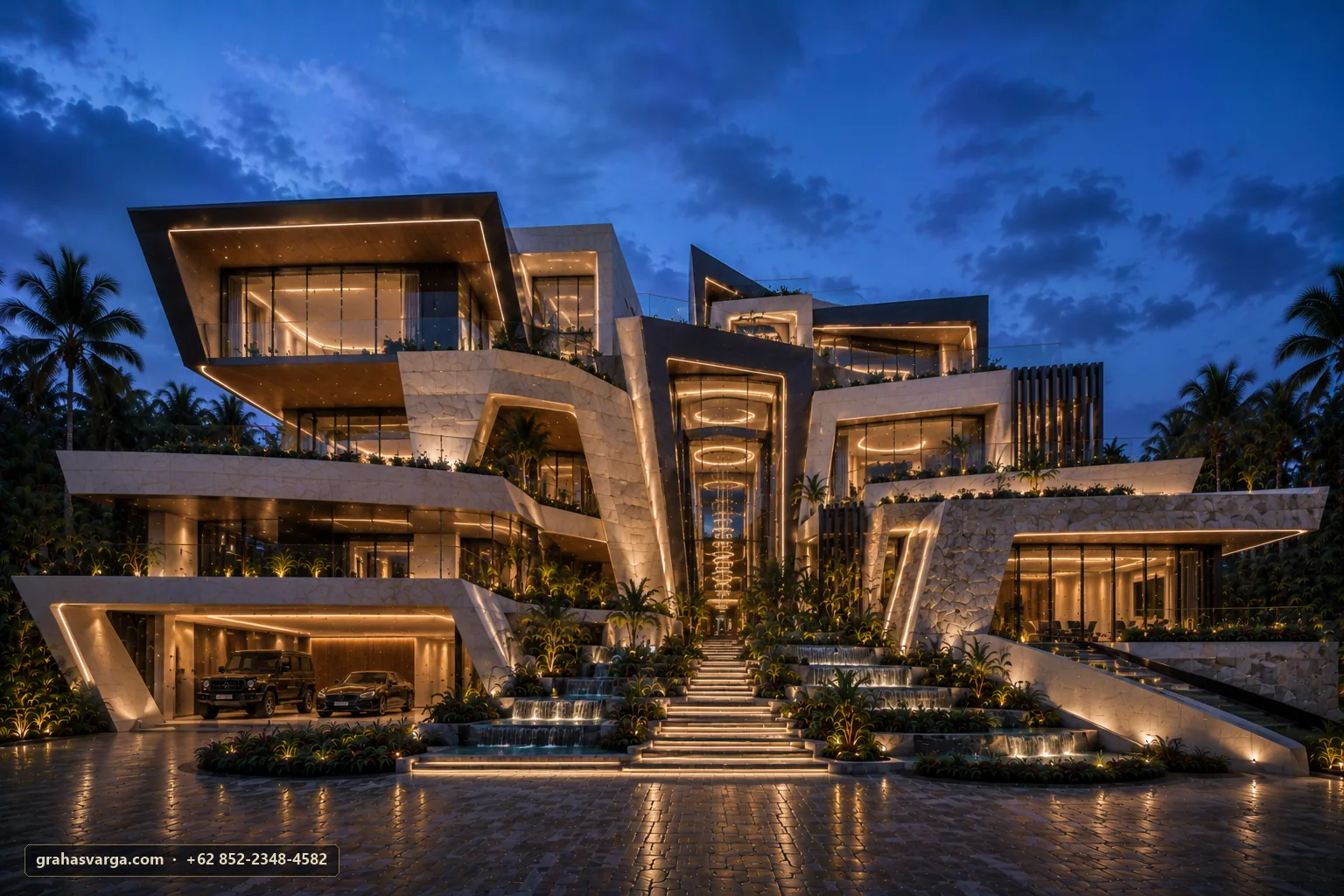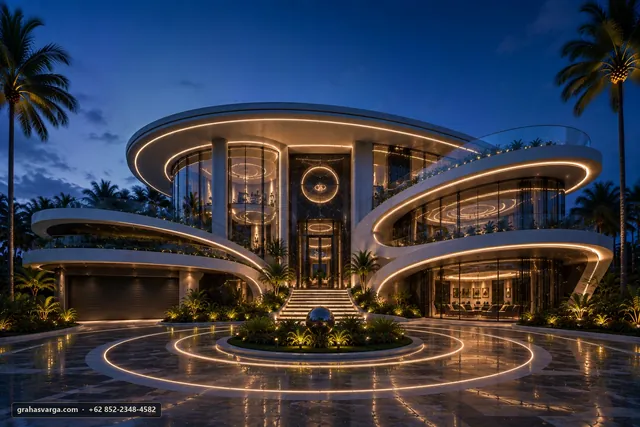
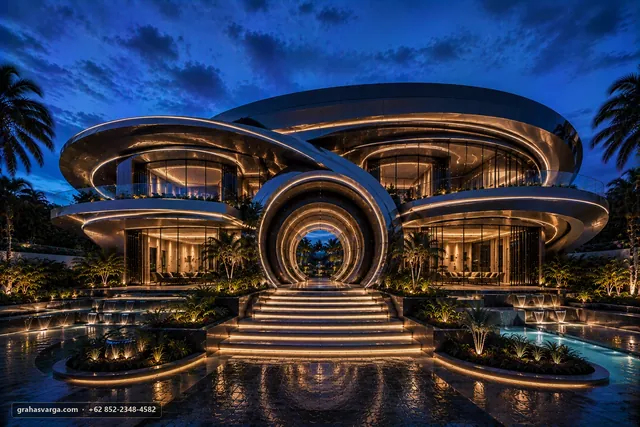
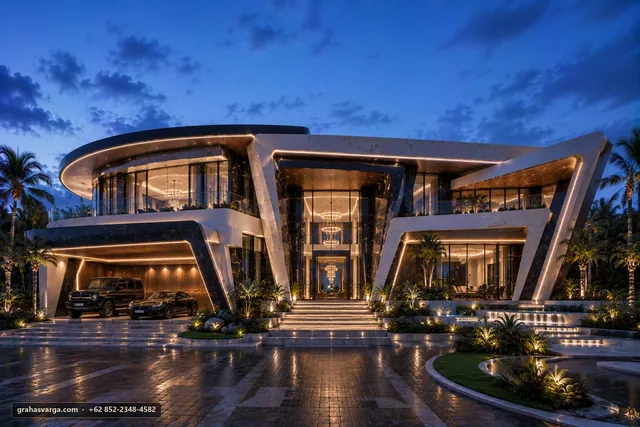
Housing is part of the Graha Svarga Architecture Library—where space, people, technology, construction, and the future are examined as one field of thought.
The question behind the subject
Housing is not an isolated technical term. It belongs to spatial order as a response to life, privacy, movement, service, and building purpose. Its value appears when the designer asks what problem it solves, whom it serves, and how it changes the experience of a place. A convincing answer begins with observation rather than appearance. It distinguishes measurable conditions from assumptions, then relates both to the life that the building must support. In this way, knowledge becomes a way of seeing before it becomes a drawing.
From principle to spatial decision
In practice, housing must be translated into relationships: between rooms and movement, envelope and climate, structure and form, detail and maintenance, or investment and long-term value. The relevant relationship depends on the project, but the method remains disciplined. Record the existing conditions, define the intended performance, compare alternatives, and make the consequence of each choice visible. Architecture becomes coherent when decisions reinforce one another instead of competing for attention.
What must be tested
No principle should be copied without testing it against the actual site, regulations, occupants, construction knowledge, budget, and future change. The subject of housing therefore requires coordination with the appropriate architects, engineers, specialists, builders, and local authorities. Drawings and visualisations can reveal intent, yet dimensions, specifications, calculations, samples, and site verification are what protect that intent as it moves towards construction.
A Graha Svarga perspective
Graha Svarga approaches housing as part of one living system. Beauty is not separated from usefulness, and ambition is not separated from buildability. The aim is a decision that feels inevitable because it answers people, place, climate, technology, and time at once. That is how an idea moves beyond fashion: it becomes architecture capable of remaining meaningful after the first impression has passed.
A decision that belongs to the whole building
The practical lesson of housing is that no architectural decision should remain isolated. Its effect travels into cost, comfort, construction, maintenance, environmental performance, and the character people eventually experience. A responsible design process makes those connections visible early, while alternatives can still be compared without expensive disruption. Graha Svarga uses this wider view to protect both imagination and reality: the idea may remain ambitious, but every line must gradually acquire a reason, a dimension, a material logic, and a place within the life of the building. The result is not a universal formula. It is a more precise conversation—one capable of turning knowledge into an answer appropriate to a particular person, site, climate, and future. It also leaves a traceable basis for later coordination, so specialists can improve the proposal without losing the architectural intention that gave it coherence.
Knowledge is gathered to sharpen decisions and draw architectural possibility into reality.